Product & Hardware Engineering

Electronics, PCB & IoT

Hardware punishes optimism: a software bug is a patch, a board bug is a respin and six lost weeks. We take electronic products from idea to production the disciplined way, schematic, layout, firmware, enclosure and manufacturing files treated as one design, reviewed at every gate, and tested against the field the product will actually live in.

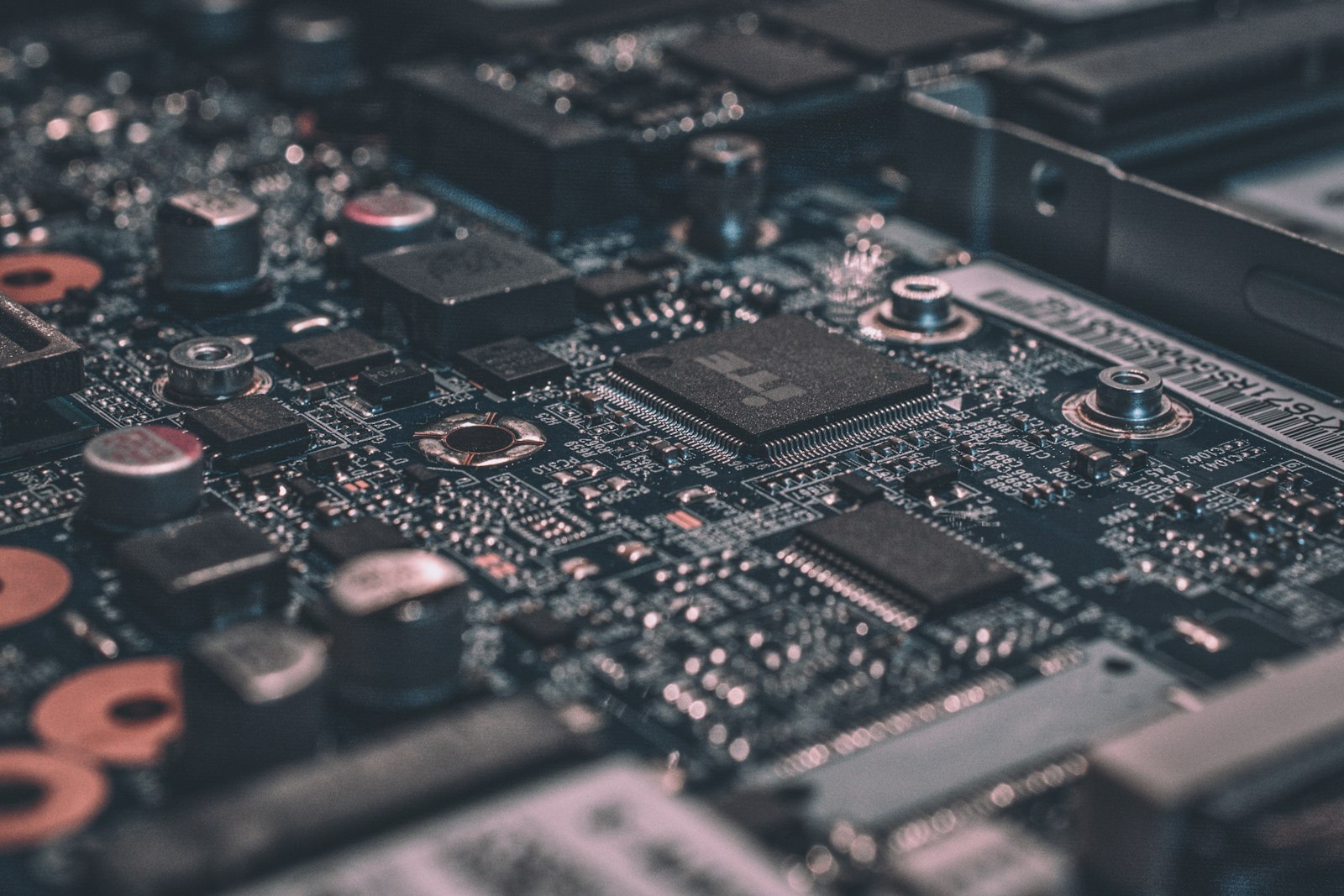
Macro view of components on a printed circuit board

Circuit design and schematic capture

Architecture and component selection first: the microcontroller, the power tree, the sensors and the interfaces, chosen with supply availability and second sources in mind, because the best part is the one you can still buy next year. Then disciplined schematic capture with design reviews at the moments that matter, before layout and before ordering, when changes are still cheap.

PCB layout done for manufacture

Board layout in KiCad or Altium with the constraints that decide whether the board works and can be built: stackup planning, controlled impedance where signals demand it, power integrity, thermal relief, EMC-aware routing and grounding, and design-for-manufacture rules matched to your fabricator. Deliverables are complete: gerbers, drill files, pick and place, and an assembly-ready BOM.

Embedded firmware for connected devices

Firmware in C, C++ or Rust, bare metal or on FreeRTOS and Zephyr, written for devices that must run unattended for years: watchdogs, brownout recovery, persistent state that survives power loss, secure boot and signed over-the-air updates. The firmware team sits with the hardware team, so the board and the code are designed for each other rather than discovered by each other.

IoT connectivity and the cloud behind it

The radio is a product decision: WiFi and Bluetooth Low Energy for the home and workplace, LoRaWAN for kilometres on a coin cell, LTE-M and NB-IoT where cellular coverage is the only truth, Thread and Zigbee in the smart building. Devices speak MQTT or similar to a cloud backend we build on the same platforms as our cloud practice, with fleet provisioning, telemetry, alerting and dashboards.

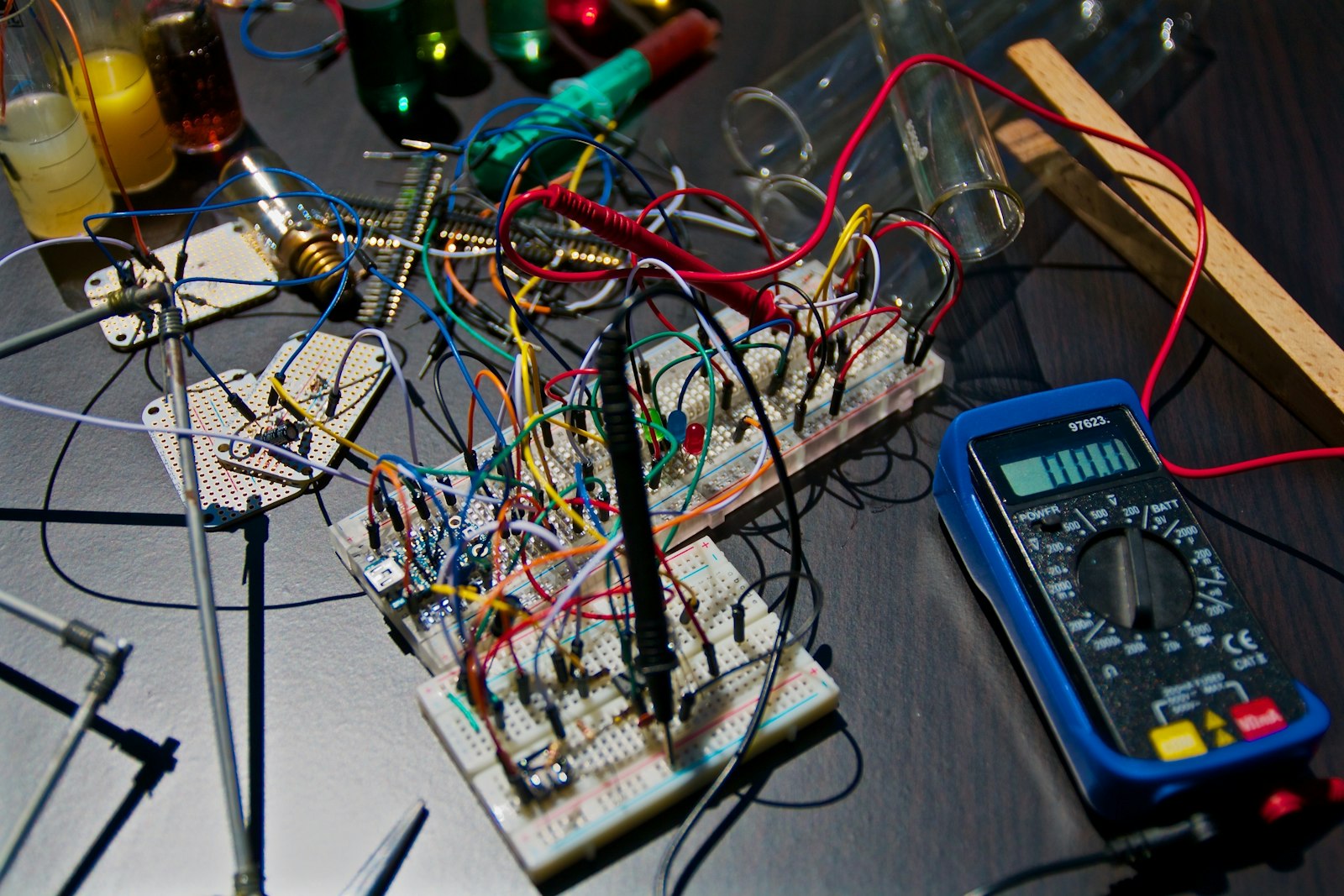
Breadboard prototype wired next to a multimeter

Enclosure design and industrial design

The enclosure is engineering, not packaging: 3D CAD design around the board with connector alignment and service access, thermal paths that keep silicon inside its ratings, ingress protection to the IP rating the environment demands, and design for the process that fits your volume, 3D printing for tens, CNC for hundreds, injection moulding for thousands. Prototypes are printed and fitted before any tool is cut.

From prototype to production

We run the gates the hardware industry has learned the hard way: EVT to prove the design, DVT to prove it survives abuse, PVT to prove the factory can build it. Board bring-up with a written procedure, test jigs and firmware-driven self-test for the line, and a manufacturing package a contract manufacturer can quote from without a meeting.

Compliance and certification, planned early

FCC, CE, UKCA, and the radio module strategy that decides how expensive they are: pre-certified modules keep intentional-radiator testing off your bill, and EMC-aware design keeps the test lab visit short. We design with the standards in view from the schematic onward and work alongside accredited labs for the formal testing, because certification planned at the end is a redesign.

Common questions

Can you take our breadboard or Arduino prototype to production?

Yes, that is a classic engagement. The prototype proves the idea works; we re-engineer it for the real world: proper power design, a production microcontroller, EMC-aware layout, firmware rebuilt for reliability rather than demonstration, an enclosure, and a test strategy for the factory. Expect changes, the parts that made prototyping easy are usually the parts that block production.

Which microcontrollers and platforms do you work with?

Most commonly STM32, ESP32, Nordic nRF for BLE products, RP2040 and Microchip parts, plus embedded Linux on i.MX or Raspberry Pi compute modules when the product needs it. Selection is driven by requirements and by supply reality: current stock, second sources and a lifecycle commitment from the vendor, not by habit.

Do you handle FCC and CE certification yourselves?

We design for it and manage the process; the formal testing happens at accredited labs, as it must. Our job is making that visit short and successful: pre-compliance checks during design, pre-certified radio modules where they make sense, and complete documentation. Products we design go to the lab with the risky parts already engineered out.

Can you manufacture small production runs?

We do not own a factory, deliberately. We prepare manufacturing packages and work with proven fabrication and assembly partners sized to your volume, from tens of boards at a quick-turn shop to volume production at a contract manufacturer, and we run the bring-up and quality process either way. You own the relationship and the tooling, so you are never locked to us or to them.

Our existing board has problems. Can you fix it without a full redesign?

Often, yes. We start with failure analysis: reproduce the fault, instrument the board, find whether the root cause is design, component, firmware or assembly. Some problems fall to a firmware update or a BOM substitution; some need a targeted respin of one section. A full redesign is the last resort, recommended only when the economics genuinely point there.

Contact

Tell us what
you are building.

A few lines is enough. We will come back with an honest view of whether we are the right people for it.